
On-Grid Solar Systems: A Smart Step Toward Sustainable Energy
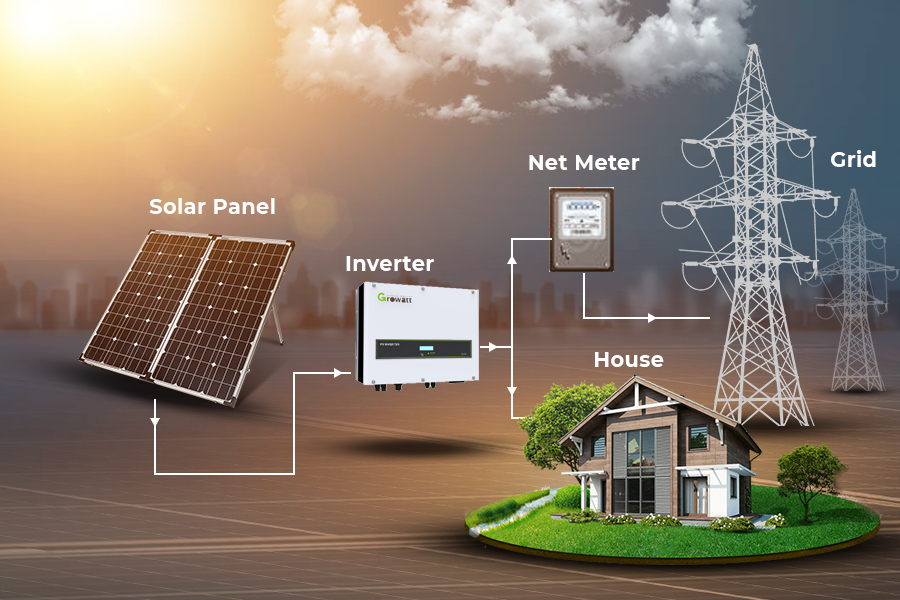
As the world shifts toward cleaner and more sustainable energy solutions, solar power has emerged as one of the most practical and widely adopted alternatives. Among the different types of solar setups available, on-grid solar systems—also known as grid-tied systems—are the most common, especially in urban and suburban areas. They offer an efficient, cost-effective way to harness solar energy while staying connected to the conventional electricity grid.
What Is an On-Grid Solar System?
An on-grid solar system is a solar power setup that is directly connected to the local utility grid. Unlike off-grid systems, which operate independently, on-grid systems work in tandem with the electricity grid. This means that your home or business can draw power from solar panels when sunlight is available and switch to grid electricity when it is not.
One of the defining features of on-grid systems is the absence of battery storage. Instead of storing excess energy, these systems send surplus electricity back to the grid. In many regions, this process is supported by a policy called net metering, which allows users to earn credits for the energy they contribute.
How Does It Work?
The functioning of an on-grid solar system is relatively straightforward. Solar panels installed on rooftops or open spaces capture sunlight and convert it into direct current (DC) electricity. This electricity is then passed through an inverter, which converts it into alternating current (AC) suitable for powering household appliances.
The generated electricity is first used to meet the immediate energy needs of the home. If the system produces more power than required, the excess is exported to the grid. Conversely, when solar production is low—such as during nighttime or cloudy weather—the system automatically draws electricity from the grid.
A bidirectional meter plays a crucial role in this setup. It records both the electricity consumed from the grid and the energy exported back to it, ensuring accurate billing and credit calculation.
Key Components of an On-Grid System
1. Solar Panels:
These are responsible for capturing sunlight and converting it into electricity. The efficiency of the panels directly affects the system’s overall performance.
2. Grid-Tied Inverter:
This component converts DC electricity into AC and synchronizes it with the grid’s voltage and frequency.
3. Net Meter:
A special meter that tracks the flow of electricity in both directions—into and out of the grid.
4. Mounting Structure:
The framework that holds the solar panels in place, typically on rooftops or ground installations.
5. Wiring and Safety Equipment:
Includes cables, switches, and protection devices to ensure safe and efficient operation.
Advantages of On-Grid Solar Systems
Cost-Effective Installation:
One of the biggest advantages of on-grid systems is their relatively lower cost compared to off-grid systems. Since they do not require expensive battery storage, the initial investment is significantly reduced.
Reduced Electricity Bills:
By generating your own electricity, you can drastically cut down on monthly power bills. In some cases, users can even eliminate their bills entirely or earn credits through net metering.
Efficient Use of Energy:
On-grid systems ensure that no excess energy goes to waste. Surplus electricity is fed back into the grid, making the system highly efficient.
Low Maintenance:
With fewer components—especially the absence of batteries—on-grid systems are easier and cheaper to maintain.
Environmentally Friendly:
Solar energy is renewable and clean, helping reduce reliance on fossil fuels and lowering carbon emissions.
Limitations to Consider
While on-grid solar systems offer numerous benefits, they also come with certain limitations.
Dependence on the Grid:
Since the system is connected to the grid, it cannot operate during power outages. This is a safety feature designed to protect utility workers repairing the grid.
No Energy Storage:
Without batteries, users cannot store energy for later use. This means reliance on the grid during nighttime or low sunlight conditions.
Policy Dependence:
The financial benefits of on-grid systems often depend on government policies like net metering, which may vary by region and can change over time.
Initial Setup Requirements:
Although cheaper than off-grid systems, the upfront cost can still be a barrier for some households.
Is an On-Grid System Right for You?
An on-grid solar system is ideal for homes and businesses located in areas with a reliable electricity supply. It is particularly suitable for urban environments where grid connectivity is strong and consistent.
If your goal is to reduce electricity bills and contribute to environmental sustainability without completely disconnecting from the grid, an on-grid system is an excellent choice. It allows you to enjoy the benefits of solar energy while maintaining the convenience and reliability of traditional power sources.
Before installation, it is important to assess your energy consumption, roof space, and local regulations. Consulting with a professional solar installer can help you design a system that meets your needs and maximizes efficiency.
The Role of Net Metering
Net metering is a key factor that makes on-grid solar systems financially attractive. It allows users to send excess electricity to the grid and receive credits in return. These credits can then be used to offset the cost of electricity drawn from the grid at other times.
For example, during sunny days, your solar panels may produce more energy than your household consumes. This surplus is exported to the grid, effectively “banking” energy credits. At night, when your system is not generating power, you can use these credits to reduce your electricity bill.
The Future of On-Grid Solar
The future of on-grid solar systems looks promising, with advancements in technology making systems more efficient and affordable. Governments around the world are encouraging solar adoption through subsidies, tax benefits, and favorable policies.
In countries like India, the push toward renewable energy is strong, with ambitious targets for solar capacity expansion. As awareness grows and costs continue to decline, more households and businesses are expected to adopt on-grid solar systems.