
Off-Grid Solar Systems: Powering Independence in a Connected World
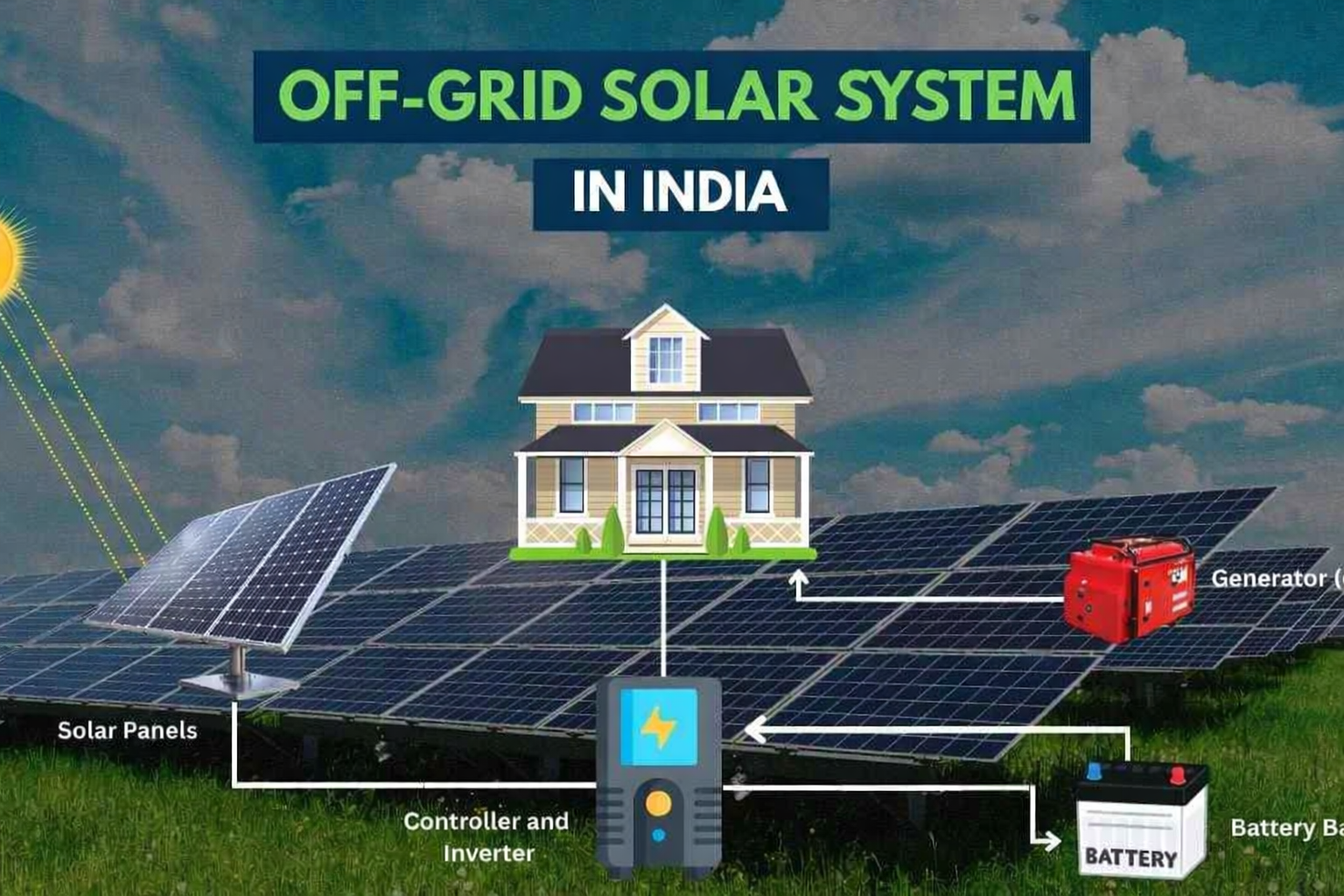
In an age where electricity powers nearly every aspect of our lives, the idea of living without reliance on the traditional power grid might seem daunting. Yet, off-grid solar systems are steadily gaining popularity among homeowners, environmentalists, and those seeking energy independence. Whether driven by sustainability goals, unreliable grid access, or a desire for self-sufficiency, off-grid solar offers a compelling alternative to conventional energy sources.
What Is an Off-Grid Solar System?
An off-grid solar system is a standalone energy setup that generates electricity from sunlight without being connected to a public utility grid. Unlike grid-tied systems, which rely on the grid as a backup, off-grid systems must produce and store all the energy needed to power a home or facility. This makes them ideal for remote areas, rural locations, or regions where grid infrastructure is unreliable or nonexistent.
At its core, an off-grid system typically consists of solar panels, a battery storage system, an inverter, and a charge controller. Solar panels capture sunlight and convert it into electricity, which is then stored in batteries for later use. The inverter converts this stored energy into usable alternating current (AC) power for household appliances.
Why Choose Off-Grid Solar?
One of the primary motivations for adopting an off-grid solar system is energy independence. With rising electricity costs and frequent outages in some regions, many people are looking for ways to take control of their power supply. Off-grid systems eliminate reliance on utility companies, providing a consistent and predictable energy source.
Environmental sustainability is another major factor. Solar energy is clean, renewable, and produces no greenhouse gas emissions during operation. By switching to off-grid solar, individuals can significantly reduce their carbon footprint and contribute to a greener future.
Additionally, off-grid systems are often the only practical solution in remote areas where extending power lines is prohibitively expensive. In such cases, solar power can be more cost-effective than traditional infrastructure development.
Key Components of an Off-Grid System
To understand how off-grid solar works, it’s important to look at its main components:
1. Solar Panels:
These are the most visible part of the system. Panels are typically installed on rooftops or open land where they can receive maximum sunlight throughout the day.
2. Battery Storage:
Since solar panels only generate electricity during daylight hours, batteries are essential for storing excess energy for use at night or during cloudy weather. Modern lithium-ion batteries offer higher efficiency and longer lifespans compared to traditional lead-acid options.
3. Inverter:
The inverter converts direct current (DC) electricity generated by the panels into alternating current (AC), which is used by most household appliances.
4. Charge Controller:
This device regulates the flow of electricity between the solar panels and the batteries, preventing overcharging and extending battery life.
5. Backup Generator (Optional):
In some systems, a generator is included as a backup to ensure power availability during extended periods of low sunlight.
Benefits of Off-Grid Solar Systems
Energy Independence:
Perhaps the most appealing benefit is freedom from utility bills and grid outages. Once installed, the system provides a self-sustaining energy solution.
Cost Savings Over Time:
While the initial investment can be high, off-grid systems often pay for themselves over time through savings on electricity bills. Maintenance costs are generally low, especially with modern components.
Environmental Impact:
Solar energy reduces reliance on fossil fuels, lowering emissions and helping combat climate change.
Flexibility and Scalability:
Off-grid systems can be customized to meet specific energy needs. Whether powering a small cabin or a large home, the system can be scaled accordingly.
Challenges to Consider
Despite their advantages, off-grid solar systems are not without challenges.
High Initial Cost:
The upfront investment for panels, batteries, and installation can be significant. However, prices have been steadily decreasing as technology advances.
Energy Management:
Users must be mindful of their energy consumption, especially during periods of low sunlight. Efficient appliances and smart energy usage are essential.
Battery Maintenance and Replacement:
Batteries are one of the most expensive components and may need replacement after several years, depending on usage and type.
Weather Dependence:
Solar systems rely on sunlight, making them less effective in regions with prolonged cloudy or rainy conditions. Proper system design and battery capacity can mitigate this issue.
Is Off-Grid Solar Right for You?
Deciding whether to go off-grid depends on several factors, including location, budget, and energy needs. For those living in remote areas or seeking complete energy independence, off-grid solar is often an excellent choice. However, for urban dwellers with reliable grid access, a hybrid or grid-tied system might be more practical.
Before making the switch, it’s important to conduct a thorough energy audit to determine your power requirements. Consulting with a solar expert can help design a system tailored to your needs and ensure optimal performance.
The Future of Off-Grid Energy
As technology continues to evolve, off-grid solar systems are becoming more efficient, affordable, and accessible. Innovations in battery storage, smart energy management, and solar panel efficiency are making it easier than ever to live independently from the grid.
Governments and organizations around the world are also promoting renewable energy adoption through incentives and subsidies, further accelerating the shift toward sustainable power solutions.